
The Art of Succeeding an International Tour: Planning, Logistics, and Legal Framework
Learn (or validate) good logistic, administrative, and legal practices to guarantee the success and safety of your international projects.
This 2.5-hour training, followed by optional individualized support, provides a practical guide for planning, coordinating, and securing your international tours.
Through case studies and the expertise of the trainer and a guest expert, you will explore every step—from administrative and contractual preparation to post-tour follow-up, including logistics management, coordination with presenters, and legal and administrative formalities.
The trainer will provide reference materials and document templates to support your learning, and an immigration law attorney will be present to address legal aspects related to international touring.
Objectives
Through this training, the participants will be able to:
Understand the overall framework of international touring
- Identify the administrative, legal, and logistical challenges of touring abroad.
- Understand the impact of booking on grants and planning.
- Comprehend the roles and responsibilities of the employer organization, the artists, and the presenters.
Plan the pre-tour effectively
- Collect essential information on artists and touring staff: nationality, tax status, residency, insurance, CV, experience, etc.
- Determine the legal and administrative status of artists and touring staff.
- Prepare work contracts and presenter agreements according to international realities.
- Anticipate visa, ATA carnet, and insurance needs, and assess risks related to the production schedule.
- Understand the working context of the venues visited, including regulatory and cultural specifics.
Manage pre-departure administrative and legal steps
- Identify required work permits and visas based on destination countries and their conditions.
- Understand and prepare for legal procedures, costs, and timelines (customs, declarations, restrictions).
- Know the obligations of the employer organization, artists, staff, and presenters.
Organize departure and tour logistics
- Verify the compliance of documents and insurance before departure.
- Plan and communicate the tour logistics.
- Respond to presenter requests: communication, technical requirements, etc.
Ensure coordination and oversight during the tour
- Manage arrival formalities: customs, immigration, permit checks.
- Coordinate operations with presenters and local partners to ensure commitments and local regulations are respected.
- Oversee health, safety, insurance, and mobile coverage.
- Handle unexpected events and resolve incidents or non-compliance.
Conclude and follow up post-tour
- Process final payments for artists and presenters.
- Produce necessary fiscal and legal documents (T4A, worker taxes, etc.).
- Conduct feedback sessions with artists and internal teams.
- Capitalize on resources and best practices to improve future tours.
Personalized Support
At the end of the group training, you will have the opportunity to receive one (1) hour of individual coaching with the instructor, to deepen the concepts learned according to your specific challenges. Availability is limited and will be allocated on a first-come, first-served basis.
- Deadline to schedule your session with the instructor: May 19, 2026
- Deadline to hold your session: June 5, 2026
Who is this training for ?
For cultural organizations, producers, managers, freelance dance workers, or anyone involved in organizing international tours.
Instructor
© Isabelle Rancier
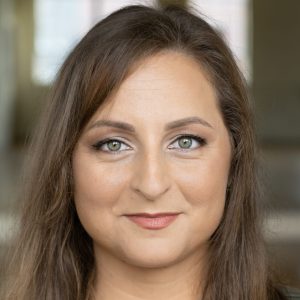
Since 2010, Fannie Bellefeuille has been part of RUBBERBAND. Upon joining, she took on the company’s administrative management and was promoted to Executive Director in 2015. A 2004 theatre graduate from UQAM, she initially pursued a career in arts administration by founding and leading her own theatre company, Collectif Ikaria. She later earned a graduate diploma (DESS) in Cultural Organization Management from HEC Montréal, followed by a master’s degree in the same field and a certificate in Philanthropic Management from the University of Montreal.
Fannie is also committed to giving back to the artistic community, mentoring emerging companies and offering workshops for the next generation of artists.
Invited-Expert
Claire Molinot
This RQD training is made possible thanks to the financial support of the Government of Québec, through the Intervention-Compétence Program of Compétence Culture.